
Keeping your vehicle safe should be part of every UK driver’s routine. Regular checks help improve performance, reduce the risk of breakdowns, and lower the risk of accidents on the road.
Simple steps like checking tyres, brakes, lights, and fluid levels can make a big difference. Here are ten essential vehicle safety checks that help keep your car roadworthy, reliable, and better prepared for everyday driving in the UK.
What Are The Essential Vehicle Safety Checks For UK Drivers?
- Tyre Condition: Regularly inspect your tyres for wear and tear, ensuring they have adequate tread depth (at least 1.6mm) and are free from damage.
- Brake Function: Check the brakes for responsiveness and any unusual noises, which could indicate wear or malfunction.
- Fluid Levels: Monitor engine oil, coolant, and brake fluid levels to ensure optimal vehicle performance.
- Lights and Indicators: Ensure all vehicle lights, including headlights, brake lights, and indicators, are functioning correctly.
- Battery Health: Regularly check the battery for corrosion and ensure it holds a charge effectively.
- Windscreen Wipers: Inspect wipers for wear and replace them if they do not clear the windscreen effectively.
- Exhaust System: Check for leaks or unusual noises, which could indicate a problem.
- Belts and Hoses: Inspect belts and hoses for signs of wear, cracks, or leaks that could lead to engine issues.
- Seatbelts: Ensure all seatbelts are functioning correctly and are free from frays or damage.
- MOT Compliance: Ensure your vehicle meets the necessary MOT standards for safety and emissions.
What Are The Key Vehicle Safety Checks Every UK Driver Should Perform?
Regular vehicle safety checks help keep your car safe, efficient, and less likely to break down. They should be done often, especially before long trips. Important checks include tyre condition, brake performance, and fluid levels, as these all play a key role in safe and smooth driving.
Inspecting Tyres For Safe Driving
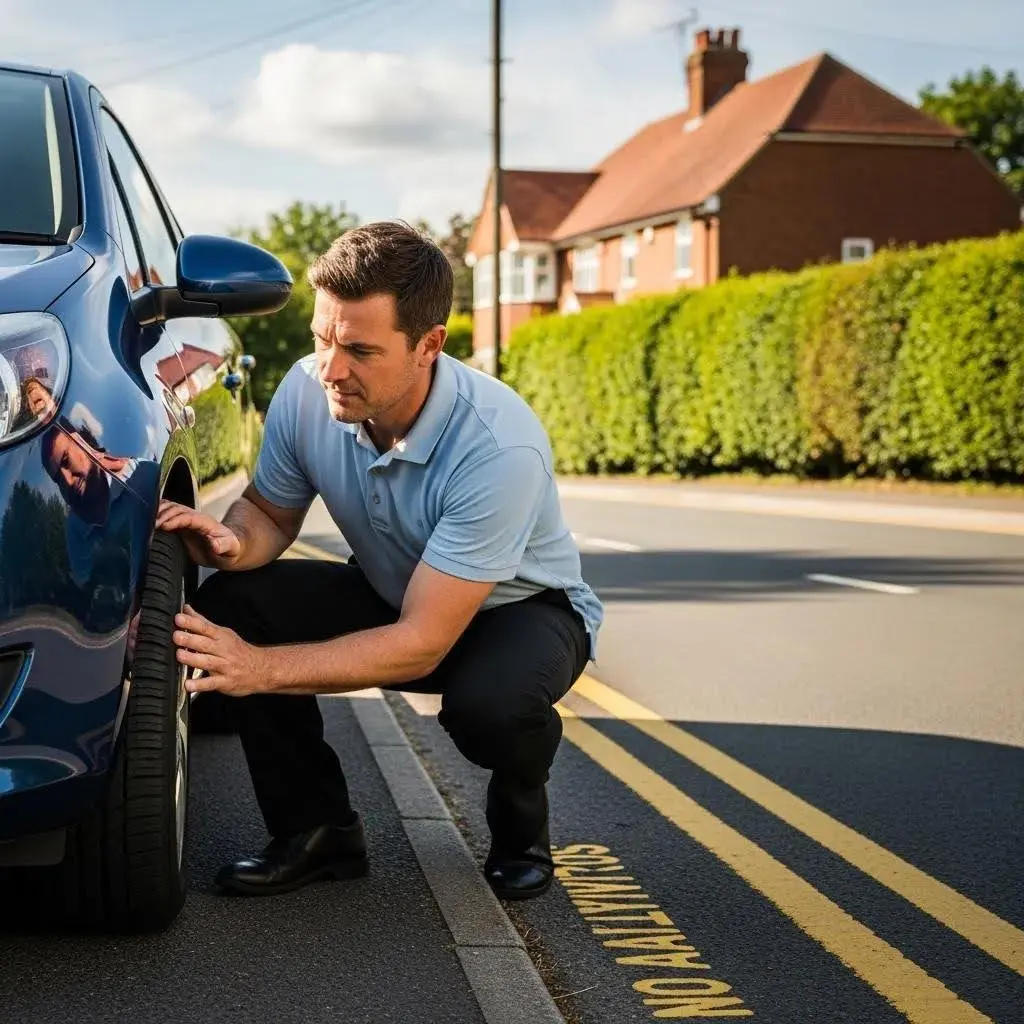
Inspecting tyre condition is a straightforward process that can be done at home. Start by visually examining the tyres for any signs of damage, such as cuts or bulges.
Check the tread depth using a tread depth gauge or the 20p test. Insert a 20p coin into the tread. If the outer band of the coin is visible, the tread is too shallow, and the tyre should be replaced.
Maintaining proper tyre pressure is also essential for safety and fuel efficiency. Under-inflated tyres can lead to poor handling and increased stopping distances. Regularly checking and maintaining tyre pressure can enhance vehicle performance and safety.
Regular Brake Function Checks For Road Safety
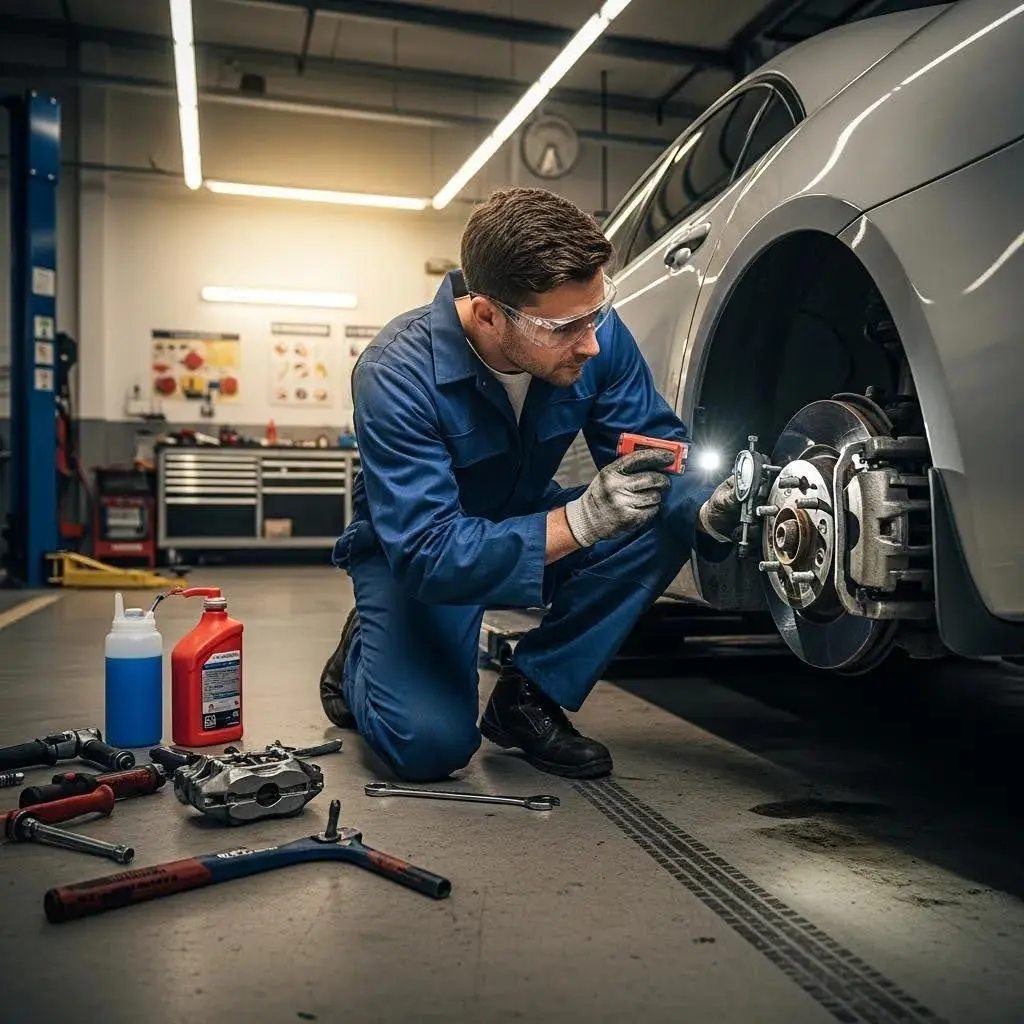
Regular brake function checks are essential for ensuring that your vehicle can stop effectively in emergencies. Drivers should listen for any unusual sounds when applying the brakes, such as grinding or squeaking, which may indicate worn brake pads.
The brake pedal should feel firm and responsive; if it feels spongy or sinks to the floor, this could signal a serious issue. It is advisable to have brakes inspected by a professional mechanic at least once a year or if you notice any changes in performance. Proper brake maintenance not only enhances safety but also prolongs the lifespan of the braking system.
How Can Ashford Drivers Conduct Pre-Journey Car Checks?
Pre-journey checks help make sure your vehicle is ready for the road. Check your tyres, inspect fluid levels, and test all lights before setting off. These simple steps can help spot problems early and improve safety. If you want added peace of mind, a professional check can help keep your vehicle roadworthy.
Checking Engine Oil, Coolant, And Brake Fluid Levels
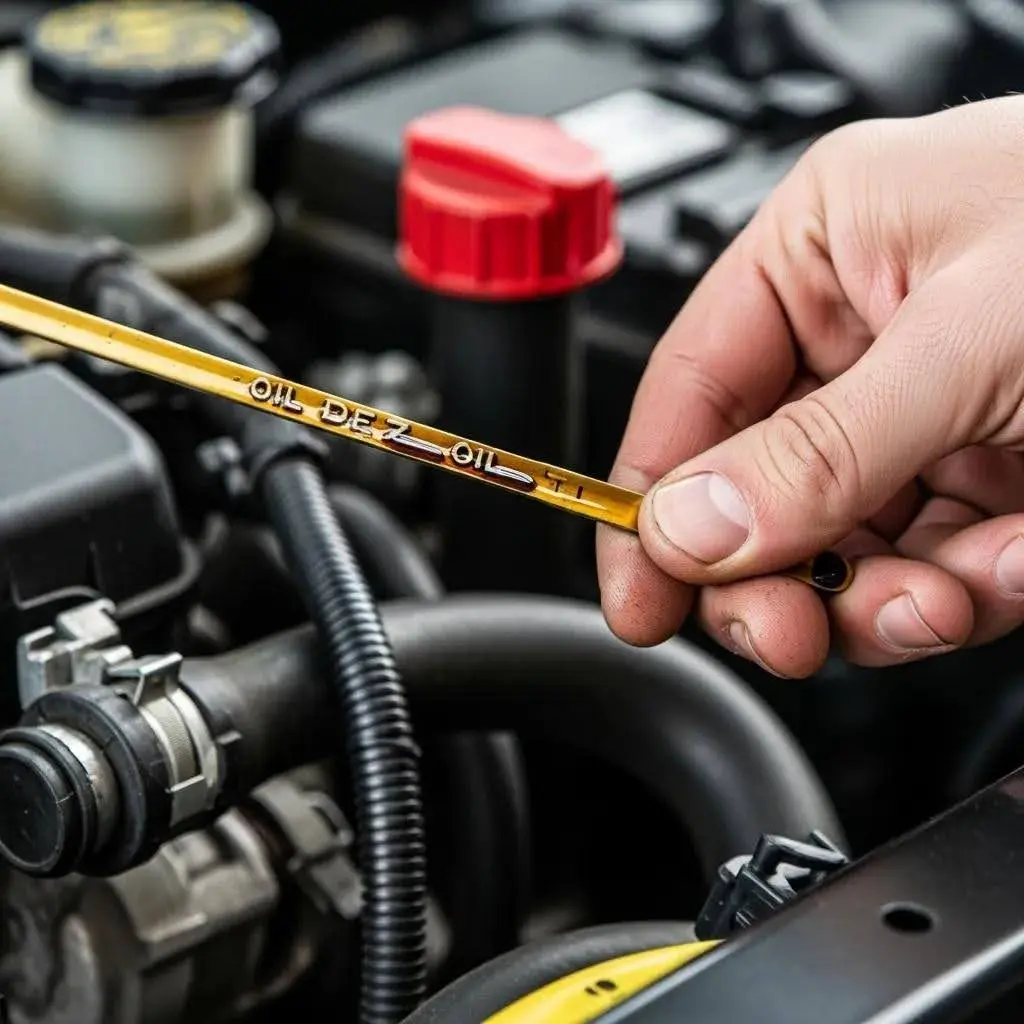
Maintaining proper fluid levels is crucial for vehicle performance. Here’s a breakdown of the essential fluids to check:
| Fluid Type | Purpose | Recommended Level |
|---|---|---|
| Engine Oil | Lubricates engine components | Between min and max on the dipstick |
| Coolant | Prevents engine overheating | Between min and max on the reservoir |
| Brake Fluid | Ensures effective braking | Between min and max on the reservoir |
Regularly checking these fluid levels can prevent engine overheating, brake failure, and other mechanical issues. If any fluid is low, top it up as soon as possible, and consult a mechanic if you notice any leaks.
Ensuring Vehicle Lights And Indicators Work Properly
Properly functioning lights and indicators are essential for safe driving, especially at night or in poor weather conditions. Drivers should regularly check:
- Headlights: Ensure both high and low beams are operational.
- Brake Lights: Have someone assist you in checking that brake lights illuminate when the pedal is pressed.
- Indicators: Test all turn signals to ensure they are functioning correctly.
What Role Does Battery Health Play In Your Car Safety Inspection In Ashford?
Battery health is a critical aspect of vehicle safety. A weak or failing battery can lead to starting issues and may leave you stranded. Regularly check for signs of corrosion on battery terminals and ensure that the battery is securely mounted.
If your vehicle struggles to start or the electrical systems are sluggish, it may be time to have the battery tested or replaced. Ivydene Garage Ltd can assist with battery health checks to ensure your vehicle remains reliable.
Additional Vehicle Checks For UK Driver Safety
- Check your windscreen wipers regularly to make sure they clear rain, dirt, and debris properly for safe visibility.
- Inspect the exhaust system for leaks, rust, or unusual noises that may point to a developing problem.
- Look over belts for signs of wear, cracking, or looseness, as damaged belts can affect vehicle performance.
- Check hoses for splits, leaks, or weak spots and replace any that show clear signs of damage.
- Replace worn or faulty parts early to help prevent bigger mechanical problems and improve road safety.
- Keep up with regular vehicle maintenance to support better performance, reliability, and long-term safety.
- Pay attention to your vehicle’s service schedule, as regular servicing can help maintain performance and reduce repair costs.
- Follow the manufacturer’s recommended service intervals to keep your vehicle running smoothly and help avoid expensive issues later.
Ivydene Garage Ltd: Your Trusted Partner for Vehicle Safety in Ashford
At Ivydene Garage Ltd, we are committed to helping UK drivers maintain their vehicles in top condition. Located in Ashford, our experienced team offers comprehensive vehicle safety inspections, servicing, and repairs to ensure your car remains reliable and safe on the road.
Whether you need a routine safety check, battery health assessment, or professional advice on vehicle maintenance, Ivydene Garage Ltd provides expert support tailored to your needs. Our goal is to give you peace of mind every time you drive.
Contact us today to schedule your vehicle safety check or learn more about our services designed to keep you and your vehicle safe.
Frequently Asked Questions
Which car safety checks should I do before a long journey?
Before a long journey, it is sensible to check tyre pressures and tread depth, engine oil and coolant levels, brake operation, lights and indicators, and windscreen washer fluid.
Doing these checks in advance helps reduce the risk of breakdowns, improves comfort and safety, and can make the trip less stressful.
What is the minimum legal tyre tread depth in the UK?
The legal minimum tyre tread depth for cars in the UK is 1.6mm across the central three‑quarters of the tread around the full circumference of the tyre.
However, many safety experts recommend considering replacement once tread drops below around 3mm, especially for wet‑weather grip.
Can regular safety checks reduce my chances of failing an MOT?
Yes, carrying out regular checks on items such as lights, tyres, wipers, brakes and fluid levels can reduce the likelihood of avoidable MOT failures.
Fixing simple issues like blown bulbs or worn wiper blades before the test can save time, inconvenience and retest costs.
Which vehicle checks are safe for drivers to do themselves?
Most drivers can safely check tyre condition and pressures, fluid levels, lights, wipers and basic interior items like seatbelts.
More complex work on brakes, suspension, steering, electrics or the exhaust system is best left to a qualified mechanic or garage.
How often should I book a professional safety inspection?
In addition to annual servicing and MOTs, many drivers choosea professional safety inspection at least once a year, or before major seasonal changes or long trips.
A garage check complements your own routine checks and can pick up issues that may not be obvious during quick inspections.
How can Ivydene Garage in Ashford help with vehicle safety?
Ivydene Garage in Ashford can carry out safety inspections, service and repair work, MOTs and diagnostics to help keep your car safe and roadworthy.
Their technicians can check brakes, tyres, suspension, battery health and other key systems, and advise on any repairs needed for peace of mind.
What Should I Do If I Find A Problem During My Vehicle Safety Check?
If you discover any issues during your vehicle safety check, such as low fluid levels, worn tyres, or malfunctioning lights, it is crucial to address them promptly. Depending on the severity of the problem, you may be able to fix minor issues yourself, like topping up fluids or replacing a bulb.
How Often Should I Perform Vehicle Safety Checks?
It is recommended that UK drivers perform vehicle safety checks at least once a month and before any long journeys. Regular inspections help identify potential issues early, reducing the risk of breakdowns and accidents.
Are There Any Specific Regulations For Vehicle Safety Checks In The UK?
In the UK, vehicles must meet roadworthiness and emissions requirements, and MOT rules apply where relevant. Most cars need an MOT by the third anniversary of registration and every year after that, though some are exempt.
What Are The Consequences Of Neglecting Vehicle Safety Checks?
Neglecting vehicle safety checks can lead to serious consequences, including increased risk of accidents, breakdowns, and costly repairs. For example, failing to maintain proper brake function can result in reduced stopping power, while worn tyres can lead to loss of traction.