
Yes, worn brake pads will damage rotors if ignored. As pads wear away, hard backing plates or wear indicators can contact the rotor, scraping the surface and concentrating heat.
Today, we explain how pad wear leads to rotor scoring, heat-related warping, and poorer stopping performance, and it shows what to look (and listen) for before repairs get expensive.
You’ll find clear explanations of metal-on-metal grinding, thermal cycling, and hotspots, visual cues like grooves and bluing, plus practical inspection intervals and straightforward maintenance steps. We use common terms, brake caliper, rotor resurfacing, pad replacement, and MOT checks, so you can spot issues early and understand your options.
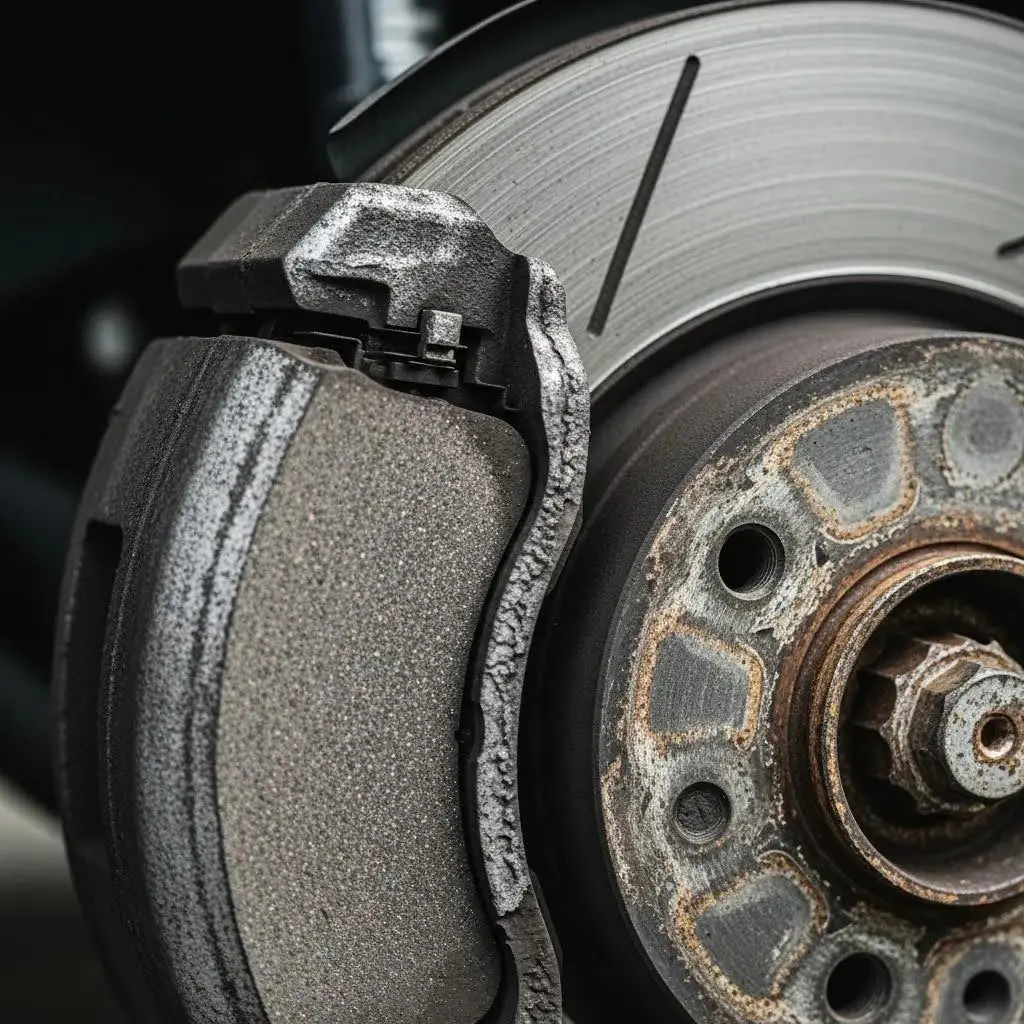
How Do Worn Brake Pads Cause Damage to Rotors?
Rotors suffer when pads wear down, mainly because the exposed backing plate or wear indicator starts rubbing directly on the disc. That metal-on-metal contact scores the rotor and can transfer material, reducing effective friction and damaging the rotor’s surface. Over time, this abrasion creates uneven thickness and pedal pulsation, and it reduces braking efficiency. In short, replacing pads early prevents more extensive rotor repairs or replacements.
Common ways pad wear damages rotors include:
- Metal-on-metal contact: Exposed backing plates or wear indicators cut grooves in the rotor surface.
- Localised overheating: Hotspots form, leaving bluing and hard spots that make the rotor uneven.
- Contaminant scoring: Debris embedded in pads acts like a file and scratches the disc.
These problems often combine, so catching pad wear early keeps stopping distances steady and avoids compounding damage.
Quick damage reference and actions:
| Component Condition | Damage Type | Recommended Action |
|---|---|---|
| Worn pad (thin) | Higher friction heat buildup | Replace pads and inspect rotors |
| Exposed backing plate | Deep grooves/scoring | Likely to replace the rotor |
| Glazed pad surface | Reduced friction from glazing | Replace pads; check pads and rotors for balance |
This table summarises common pad conditions, the rotor damage they cause, and practical next steps to stop further harm.
Metal-on-Metal Grinding: Effects
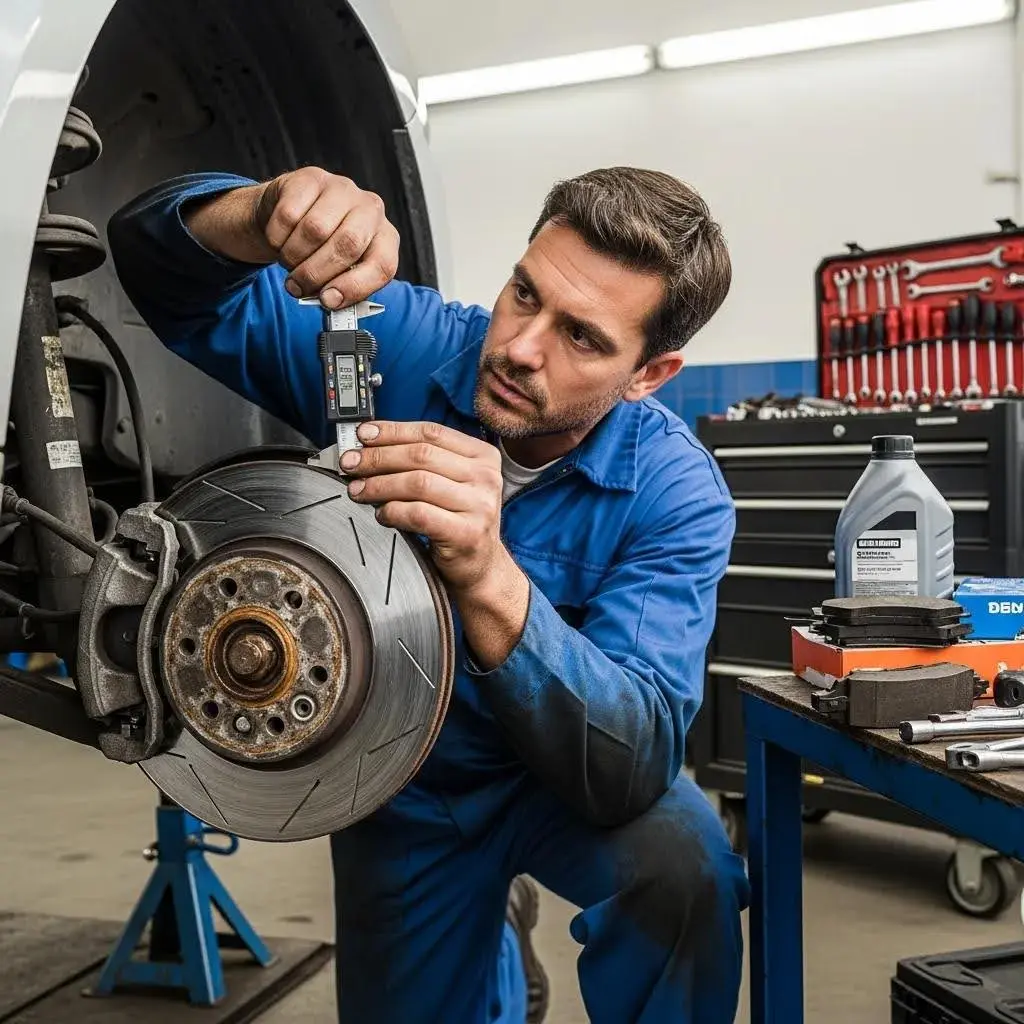
Metal-on-metal grinding occurs when the pad’s friction material is gone, and the steel backing plate contacts the rotor. You’ll usually hear a harsh grinding noise and, quickly, the rotor will show deep grooves, raised ridges, and sometimes metal shavings around the hub.
Functionally, this reduces brake bite and can strain caliper pistons. Hearing grinding is a high-risk warning; avoid heavy braking and arrange an inspection straight away, because continued driving makes repairs more expensive.
How Excessive Heat Causes Rotor Warping
Heavy or repeated braking generates heat that can create hotspots and uneven expansion in the rotor. Over time, thermal cycling makes the disc uneven, which you’ll feel as pedal pulsation or steering vibration when braking.
Minor warping can sometimes be corrected by machining, but repeated overheating causes micro-cracks and structural changes that mean the rotor must be replaced. To prevent recurrence, fix the source of heat, worn pads, sticking calipers, or overloaded braking, rather than just treating the rotor.
If you need a local diagnosis, Ivydene Garage Ltd in Ashford, Kent, checks your pads and rotors using up-to-date diagnostic tools and qualified technicians.
As a family-run Bosch Car Service centre, we accurately measure pad thickness and rotor runout, and we’ll advise whether pads, machining, or rotor replacement are needed. Book an inspection if you hear noise or feel vibration, and we’ll provide a clear quote.
What Are the Common Signs of Damaged Brake Rotors?
Damaged rotors announce themselves in three ways: sound, feel, and sight. Typical signs are a high-pitched squeal from glazing or wear indicators, a harsh grinding from metal contact, pedal pulsation from rotor runout, and longer stopping distances when friction drops.
Visually, you might see grooves, cracks, or bluing from overheating, all of which suggest reduced metal hardness. Spotting these signs early lets you arrange timely repairs and improves your chances of passing your MOT.
Watch for these symptoms:
- Noises: High‑pitched squeal (glazing or wear indicator) and grinding (severe pad loss).
- Vibration: Pulsation through the pedal or steering during braking.
- Performance loss: Increased stopping distance and poor brake modulation.
Audible Warnings of Rotor Damage
Squealing usually means glazed pads or that the wear indicator is touching the rotor; it’s a cue to schedule an inspection. A gritty grinding noise, by contrast, typically signals metal-on-metal contact and needs immediate attention because the rotor surface may be badly scored.
Treat squealing as a prompt to have the brakes checked; treat grinding as urgent, stop driving if braking is seriously compromised, and get professional help.
Vibrations and Increased Stopping Distance as Warning Signs
Pulsations through the brake pedal or steering commonly point to rotor runout or uneven thickness that creates cyclic loading. Increased stopping distance is a sign of reduced friction from glazing, contamination, or deep scoring, all of which are safety concerns and can cause MOT failures.
Simple checks at low speed, feeling for pedal pulsation, and noting brake performance, help you decide whether to book an inspection. Addressing symptoms early prevents further wear to tyres, suspension, and calipers.
What Are the Consequences of Driving With Worn-Out Brakes?
Driving on worn pads and damaged rotors raises safety risks, increases repair bills, and can lead to MOT failure if problems become severe. When brakes are compromised, other parts such as calipers, wheel bearings, and tyres compensate, producing uneven wear or even component seizure.
Costs can escalate from a pad change to rotor machining or replacement, caliper work, and possible tyre or suspension repairs. Regular brake checks cut accident risk and lower the chance of failing an MOT for braking defects.
Quick consequence reference for repair decisions:
| Component Affected | Consequence | Typical Repair Indicator |
|---|---|---|
| Rotor | Scoring/warping | Overworked / seized |
| Caliper | Overwork / seize | Caliper rebuild or replacement |
| Tyre / Suspension | Uneven wear | Alignment check and tyre inspection; possible replacement |
Bad Brakes and Damage to Calipers and Other Components
Yes. Worn pads make caliper pistons and slides work harder, and excess heat can degrade seals or cause pistons to stick. A sticking caliper leads to uneven pad wear and constant drag on one wheel, which speeds up tyre and rotor wear and increases fuel use.
Replacing pads early and checking caliper operation stops this chain reaction. Include calipers in routine brake inspections to avoid secondary failures.
Rotor Damage Effects on Vehicle Safety and MOT Results
Rotor damage reduces braking effectiveness, increases stopping distances, and can compromise emergency braking, all factors MOT inspectors check when assessing roadworthiness. Inspectors look for excessive wear, deep scoring, and variations in rotor thickness; significant defects will cause failure until corrected.
Keeping pads and rotors in good condition improves your MOT outcome and ensures the vehicle meets legal safety standards. Booking a professional brake check before an MOT lowers the risk of surprise failures and delays.
How Can Regular Maintenance Prevent Rotor Damage?
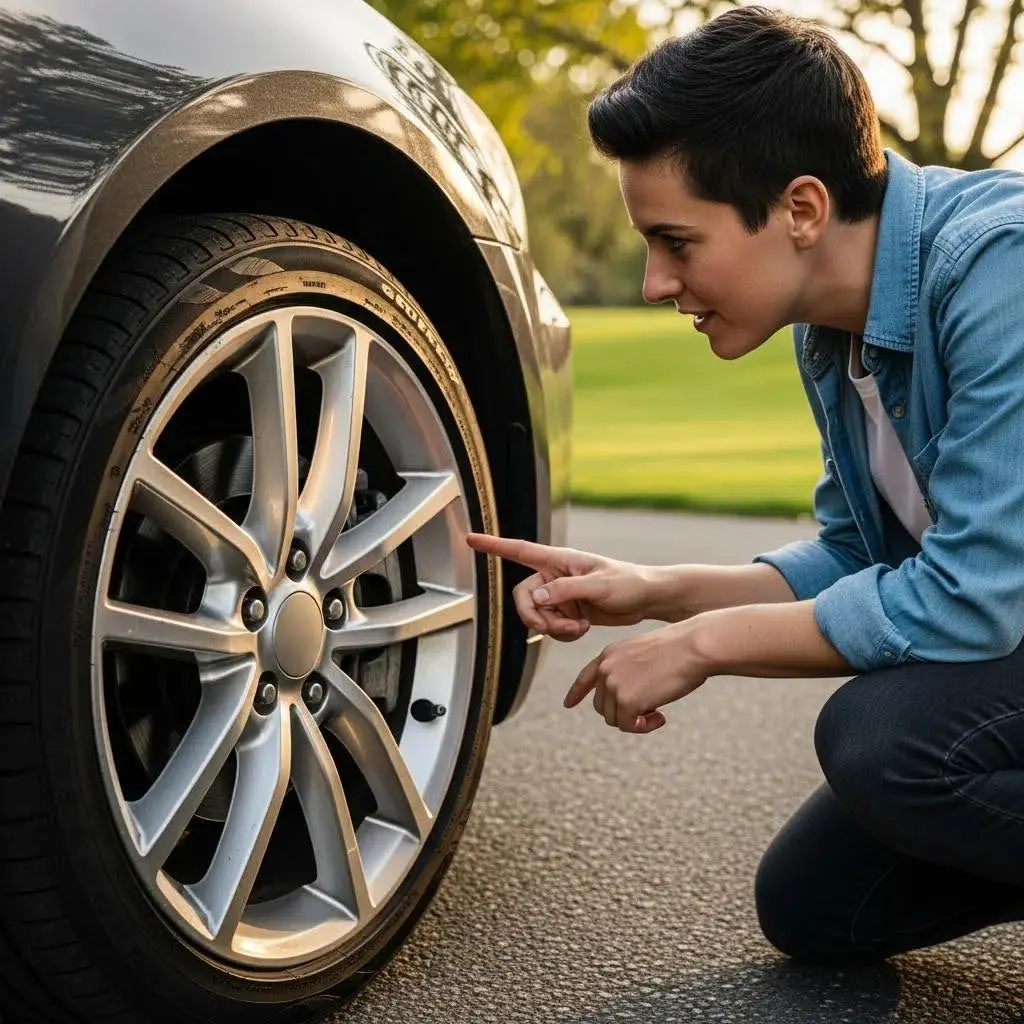
Regular maintenance catches pad wear early, balances components, and fixes heat sources before discs distort. Typical checks include measuring pad thickness, inspecting rotor surfaces, and checking caliper operation at routine services or sooner if symptoms appear.
Using quality replacement parts and correctly fitting them reduces premature wear and keeps braking reliable. Professional servicing also helps avoid MOT issues and extends rotor life through timely pad changes and corrective work.
Routine checks you can do or discuss with your technician:
- Visual pad thickness check: Look through the wheel spokes for remaining pad material.
- Listen for new noises: Note any squeal or grinding as soon as it appears.
- Feel for pedal pulsation: Test braking at low speed to detect runout.
Consistent maintenance means longer rotor life, fewer emergency repairs, and better MOT outcomes; it’s a cost‑effective safety habit.
Importance of Regular Brake Inspections
Inspections reveal wear patterns, fluid condition, and component movement before those issues damage rotors. A proper check confirms pad thickness, rotor flatness, and caliper slide function, which together determine whether resurfacing or replacement is needed.
Early detection prevents uneven wear that stresses tyres and suspension, and keeps braking performance consistent for everyday driving. Scheduling inspections at sensible intervals preserves braking reliability and keeps you MOT‑ready.
Expert Brake Replacement in Ashford, Kent
Expert replacement combines precise measurement, the right parts, and correct installation to restore safe braking without causing new problems. At Ivydene Garage Ltd in Ashford, Kent, we’re a family-run Bosch Car Service centre using up-to-date diagnostic equipment and skilled technicians to diagnose issues accurately.
Our services include pad replacement, rotor servicing, and MOT preparation; local experience helps reduce repeat work or unexpected MOT failure. If you prefer professional assurance, booking with a Bosch-affiliated centre gives you quality parts and calibrated workmanship.
If you notice any of the signs described, squeal, grinding, vibration, or increased stopping distance, book an MOT, inspection, or brake repair with Ivydene Garage Ltd in Ashford, Kent, and we’ll confirm the diagnosis and arrange any necessary pad or rotor work.
Frequently Asked Questions
What Are the Signs That My Brake Pads Need Replacing?
Look for high‑pitched squeaks or squeals (often the wear indicator or glazing), gritty grinding (pads worn to the backing plate), and a pulsating brake pedal (which can indicate rotor runout). Longer stopping distances and a change in pedal feel are also warning signs. Noticing any of these early signs helps prevent further damage to rotors and other brake parts.
How Often Should I Have My Brakes Inspected?
As a rule, have your brakes inspected at least once a year or around every 12,000 miles, whichever comes first. If you drive in heavy traffic, hilly terrain, or tow regularly, check them more often. If you hear unusual noises, feel vibrations, or notice a change in braking performance, book an inspection straight away.
Can I Replace Brake Pads Myself, or Should I Seek Professional Help?
If you have good mechanical skills and the right tools, pad replacement is possible as a DIY job. However, if you’re unsure about torque settings, caliper operation, or measuring rotor runout, it’s wiser to use a professional. Technicians can ensure correct installation and check related components like rotors and calipers, which can save time and avoid safety issues.
What Is the Average Lifespan of Brake Rotors?
Rotor life varies with driving style, vehicle type, and part quality. Typically, rotors last between 30,000 and 70,000 miles, but aggressive driving, frequent heavy braking, and poor‑quality pads can shorten that. Regular inspections help spot wear early so you can replace or machine rotors at the right time.