
Brake bedding, often called the 30/30/30 rule, is a controlled break-in process for new pads and rotors. It lays down an even pad transfer layer, reduces glazing, and gives a more consistent initial bite.
This guide explains what each “30” means, how the controlled stops create a stable friction film, and why following the sequence matters for everyday safety and component life. Bedding is not a single heavy stop; it’s a series of heat-and-cool cycles that condition the pad material on the rotor to prevent vibration and uneven wear.
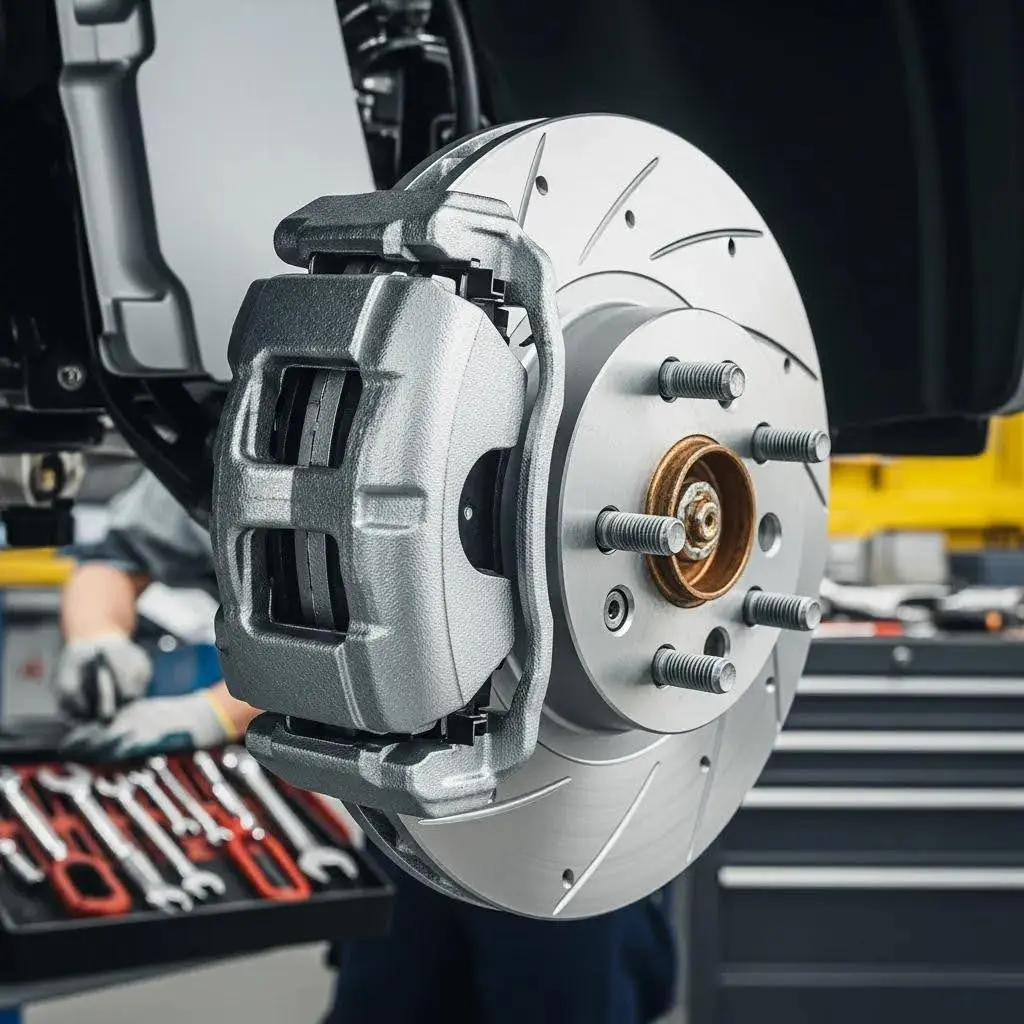
What is the 30/30/30 Rule for Brakes?
The 30/30/30 rule is a bedding routine made up of a series of controlled stops from roughly 30 mph, with short cooling periods (about 30 seconds), repeated until you’ve completed about 30 individual braking actions. The aim is steady energy input and cooling periods so pad material transfers evenly to the rotor without overheating, which causes glazing or uneven deposits.
Done correctly, bedding delivers more consistent stopping distances, less noise, and longer life for pads and rotors by ensuring the friction surfaces mate evenly. Below, we break the rule into its mechanical basis and the practical micro-steps you can follow safely.
This rule comprises three practical elements:
- The first “30”: carry out stops from around 30 miles per hour down to a safe low speed in a controlled way.
- The second “30”: allow roughly 30 seconds of cooling between sets of stops.
- The third “30”: aim for roughly 30 controlled braking actions overall to build a stable transfer film.
These three parts work together to condition pads and rotors without excessive heat and form the basis for the step-by-step routine later in this guide.
How the Bedding Procedure Works
Bedding works by controlled friction transfer. Repeated, moderate braking softens the pad surface slightly so a thin, even layer of pad material bonds to the rotor. Those heat cycles change the surface chemistry enough to form a bonded transfer film rather than patchy deposits that cause judder or an inconsistent bite.
A single heavy stop risks localised overheating and glazing, which hardens the pad face and reduces friction or causes vibration. This gradual, controlled approach explains why consistent braking improves stopping performance and limits early wear.
Key Steps of the 30/30/30 Rule
Always choose a quiet, safe stretch of road or a private area and check traffic and weather before you start. Accelerate to about 30 mph, apply steady braking to slow to roughly 5–10 mph without wheel lock-up or triggering ABS, repeat the sequence, then allow a short cooling period.
Watch for unusual smells, visible smoke, or grinding noises; stop immediately if any appear. The list below gives a concise, easy-to-follow routine for bedding new pads and rotors.
The practical micro-steps are:
- Initial warm-up: Drive gently for a few miles to bring the brakes up to normal operating temperature without heavy use.
- Controlled stops: Do 8–12 stops from around 30 mph to 5–10 mph, using steady pedal pressure and avoiding wheel lock-up or frequent ABS intervention.
- Cooling pause: Roll or park for about 30 seconds after each set to let surface temperatures stabilise before repeating.
- Repeat sequence: Continue sets until you’ve completed roughly 30 moderate stops in total, then allow an extended cooling period before returning to normal driving.
Use a conservative approach and stop the procedure immediately if conditions change. After successful bedding, the pedal should feel firmer, and any noise should reduce.
Why is Brake Bedding Important for New Brake Pads and Rotors?
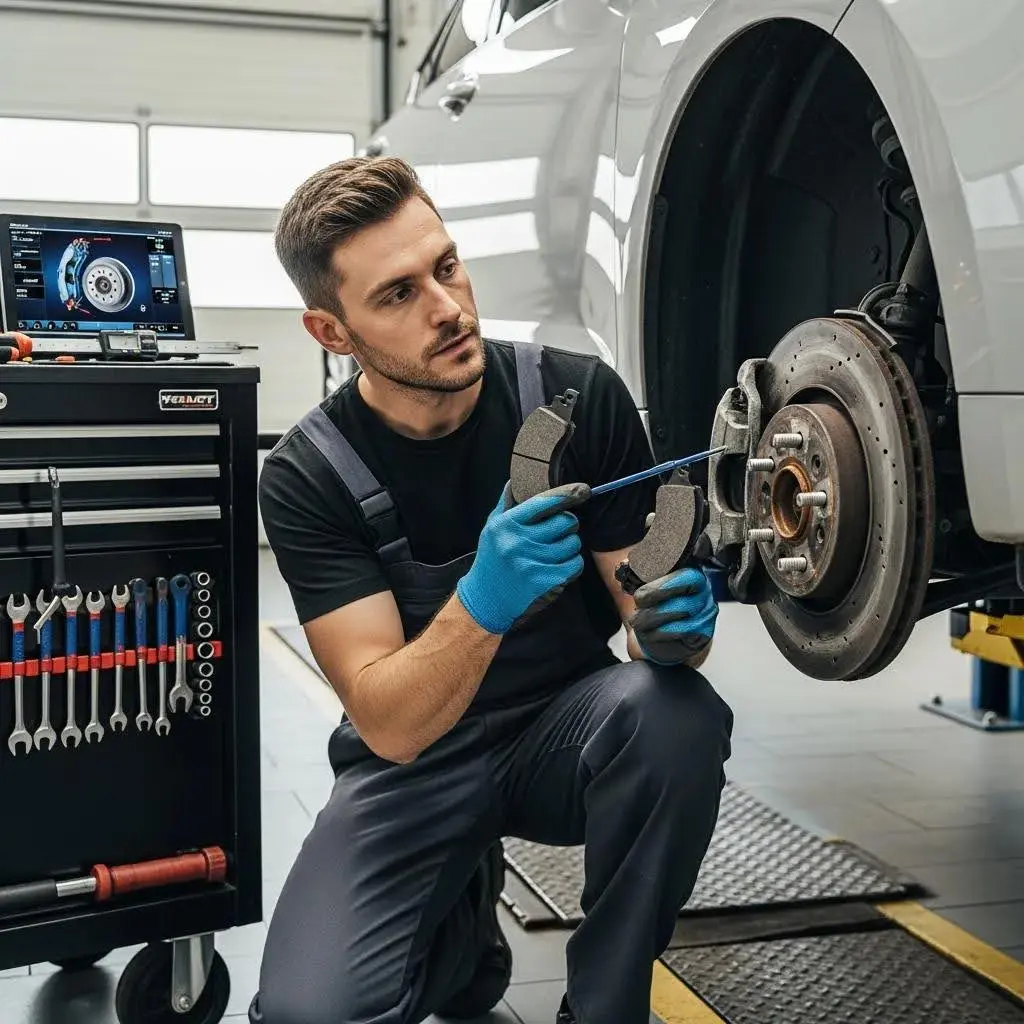
Bedding establishes a consistent friction interface between pad and rotor, improving stopping reliability, reducing vibration, and limiting early wear that leads to premature replacement. It prevents glazing, the hard, smooth pad surface that forms when peak temperatures are too high, by limiting excessive heat during the break-in period.
Correct bedding also helps distribute pad pressure evenly and reduces the risk of rotor unevenness that causes judder in everyday driving. The short table below summarises how each component benefits from the bedding process for quick reference.
Pad and Rotor Interactions Explained:
| Component | Purpose of Bedding | Result |
|---|---|---|
| Brake Pads | Lay down a uniform friction layer | Smoother, more predictable bite with less noise |
| Brake Rotors | Accept and stabilise the pad transfer film | Even wear and reduced judder |
| Calipers | Apply steady, even pressure during conditioning | Prevent uneven material deposition |
This table shows that bedding is a system process: pads, rotors, and calipers must work together under controlled heat cycles for the best outcome.
Improving Stopping Power and Safety
Bedding improves stopping power by creating matched friction surfaces so the pad contacts the rotor evenly, reducing variation in braking force across the disc. That consistency reduces variation in stopping distance between successive stops and gives you more confidence in emergency braking.
Proper bedding also lowers the risk of early brake fade because heat is spread predictably instead of building up at hotspots. Taking the time to bed new parts correctly pays off in everyday safety and longer component life.
Problems Prevented by Proper Bedding
Proper bedding prevents several common post-fitment problems by managing surface condition and heat during initial use. Glazing, when pads overheat and harden, is avoided because bedding limits peak temperatures.
Judder from uneven rotor deposits is reduced because the procedure produces a consistent transfer film rather than patchy hotspots. Premature or uneven wear is also minimised, helping you avoid earlier rotor or pad replacement and supporting MOT brake checks within expected limits.
Common problems bedding prevents include:
- Glazing that lowers friction and increases stopping distances.
- Judder caused by uneven pad transfer layers on the rotor.
- Premature or uneven pad and rotor wear leading to vibration.
These failure modes show why bedding is both preventative maintenance and a simple performance step.
How to Perform the 30/30/30 Brake Bedding Process Safely

Carry out the 30/30/30 process in a safe location with legal clearance, good visibility, and minimal traffic so you can repeat controlled braking without putting others at risk. Suitable places include a quiet road, private land, or an empty industrial estate. Stop the routine if you smell burning, see smoke, or experience sudden loss of braking effectiveness.
Keep windows closed if you detect hot pad fumes and leave extra cooling time after the final sequence. If you’re unsure about a safe location or your vehicle’s condition, get professional help. The numbered steps below give a straightforward routine suited to typical UK driving conditions.
Follow these step-by-step instructions:
- Warm-up laps: Drive gently for 2–3 miles to bring the brakes up to normal operating temperature without heavy use.
- Series of controlled stops: From about 30 mph, apply progressive braking to slow to 5–10 mph without wheel lock-up; repeat 8–12 times per set.
- Short cooling intervals: After each set, roll or coast for roughly 30 seconds to allow the rotor surface to cool and stabilise.
- Complete total cycles: Repeat sets until you reach around 30 controlled stops, then finish with a few miles of gentle driving to cool down fully.
These steps create the heat–cool cycles that condition pad material while limiting overheating. If braking feels inconsistent, or you see smoke or severe vibration, stop immediately and have the system checked.
Based on the steps above, here is a compact safety checklist and expected outcome table to guide decisions during conditioning.
| Step Component | Recommended Action | Expected Outcome |
|---|---|---|
| Controlled Stops | Use moderate pressure; avoid activating ABS repeatedly | Even material transfer to the rotor |
| Cooling Intervals | Park or coast for around 30 seconds between sets | Reduces the risk of glazing |
| Monitoring | Watch for smoke, burning smells, or odd vibrations | Abort the procedure if any appear |
This summary helps you see the expected result from each action and the safety behaviour to follow while bedding.
If you’d rather not perform the routine yourself, local workshops can carry out bedding using controlled rigs or supervised road tests. Ivydene Garage Ltd in Ashford can advise on best practice after replacement work and offers visual and mechanical brake checks to confirm successful conditioning. Contact details and local credentials are below for drivers who prefer an expert service.
When Should You Apply the 30/30/30 Rule and Seek Professional Brake Service?
Use the 30/30/30 rule whenever you fit new brake pads, replace or machine rotors, or change pad/rotor combinations that could alter friction characteristics. Bedding is particularly important after replacing both pads and rotors because both surfaces must establish a compatible transfer layer.
If noise, vibration, reduced bite, or poor performance continue after bedding, book a professional inspection. The short checklist below helps you decide when to DIY and when to visit a workshop.
Quick decision checklist:
- Bed the brakes after fitting new pads, new rotors, or both together.
- If noise, judder, or inconsistent braking continue after bedding, get a professional inspection.
- For heavy-duty or light commercial vehicles, consider workshop assistance because higher loads require specialist handling.
This guidance helps you decide whether to continue home conditioning or to call in professional support.
When to Bed Brakes After Replacement
Bedding is needed in several common scenarios to ensure reliable performance after parts are fitted. Always bed new pads, new rotors, or a new pad-to-rotor combination so the surfaces mate correctly; some aftermarket compounds also need specific procedures.
OEM replacements generally benefit from bedding, while some high-performance materials may have different instructions; check the manufacturer’s guidance. For light commercial vehicles, heavier loads and frequent braking make bedding especially important to avoid rapid wear and protect service intervals.
Why Choose Ivydene Garage for Expert Brake Bedding in Ashford, Kent?
Ivydene Garage Ltd is a family-run Bosch Car Service centre in Ashford, Kent, recognised by Bosch for quality work. We offer MOTs, servicing, diagnostics, and repairs for most makes and models, including light commercial vehicles.
Our workshop carries out brake replacements and both visual and mechanical checks, so we can verify bedding outcomes and fix issues such as judder or uneven wear. If you prefer professional conditioning or you encounter problems after DIY bedding, we can advise on the correct procedure and perform the necessary checks.
Call us on 01233 636081 or visit Unit 99, Ellingham Industrial Estate, Ellingham Way, Ashford, Kent, TN23 6LZ to arrange an inspection. This local support gives you confidence that bedding is done correctly and that your brakes meet safety and MOT standards.
Frequently Asked Questions
What Are The Signs That My Brakes Need Professional Inspection After Bedding?
Seek a professional inspection if, after bedding, you still notice persistent noise, vibration, or a drop in braking performance. Other warning signs include a spongy pedal, excessive heat coming from the brakes, or any burning smells.
These may point to uneven wear, glazing, or installation faults; get them checked promptly to avoid further damage and keep your vehicle safe.
Can I Perform The 30/30/30 Bedding Process In Wet Conditions?
It’s not recommended to perform the bedding process in wet conditions. Moisture on rotors and pads changes friction behaviour and can make the process ineffective or unsafe. Choose a dry day with good visibility and low traffic for bedding; if the weather is poor, wait for a dry window or ask a workshop to help.
How Often Should I Repeat The Bedding Process For My Brakes?
You should repeat bedding whenever you fit new pads, new rotors, or both. If you change to a different pad material, bed them again to ensure optimal performance. Also consider re‑checking and re‑bedding if you notice changes in braking, noise, reduced bite, or uneven feel, to maintain safety and efficiency.
Is The 30/30/30 Rule Applicable To All Types Of Vehicles?
The 30/30/30 rule works well for most passenger cars, but heavy-duty and some commercial vehicles may need different procedures because of greater loads and different braking demands. In those cases, follow the manufacturer’s guidance or consult a professional to choose the correct bedding method.