
Worn brakes reduce stopping power, cause noise and vibration, and can lead to a failed MOT, so spotting issues early keeps you safe and saves money.
Below, we walk you through the most common signs of brake wear, squealing, grinding, juddering, and a soft or spongy pedal, explain what those symptoms usually mean for pads, discs, calipers, and the hydraulic system, and offer straightforward checks and next steps.
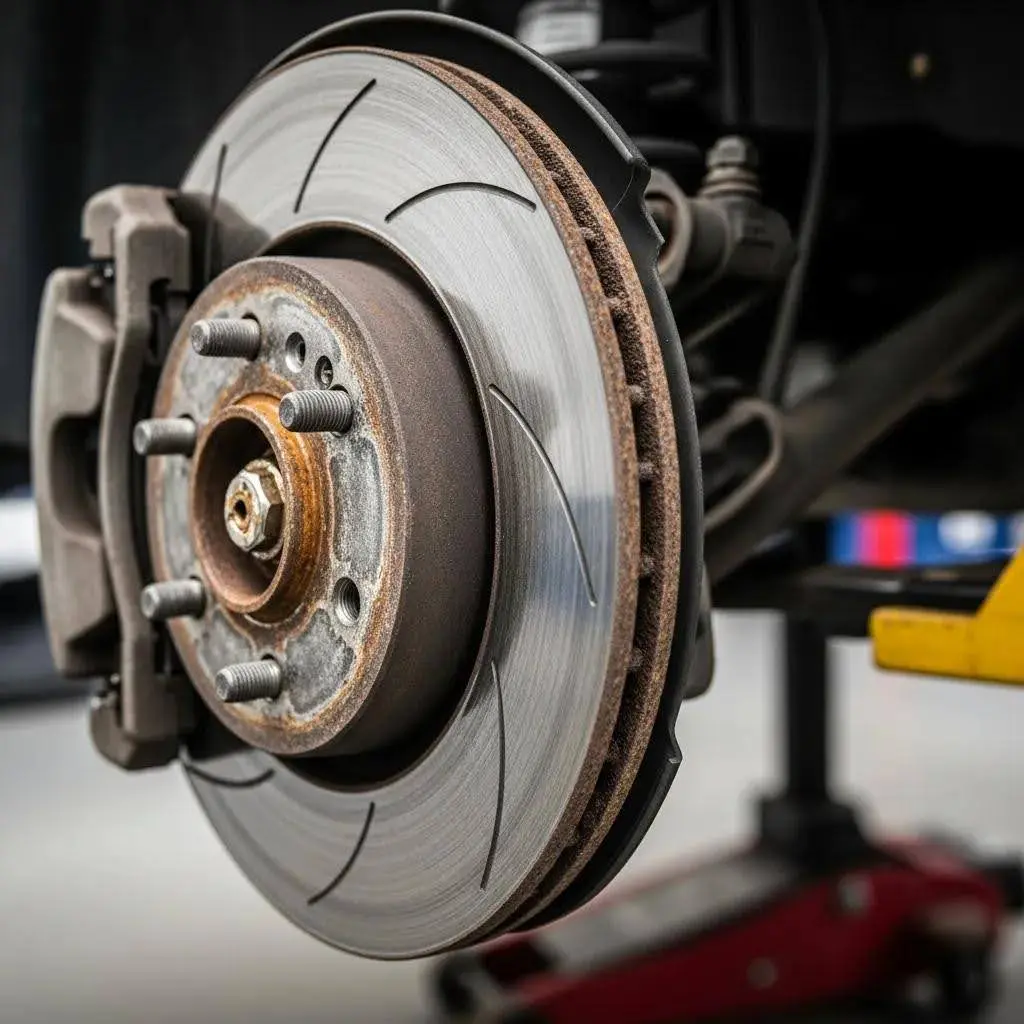
Where a workshop is needed, Ivydene Garage Ltd (a local Bosch Car Service centre) can carry out brake inspections, pad and disc replacements, and brake fluid services.
How to Recognise Squealing Brakes and What Causes Them
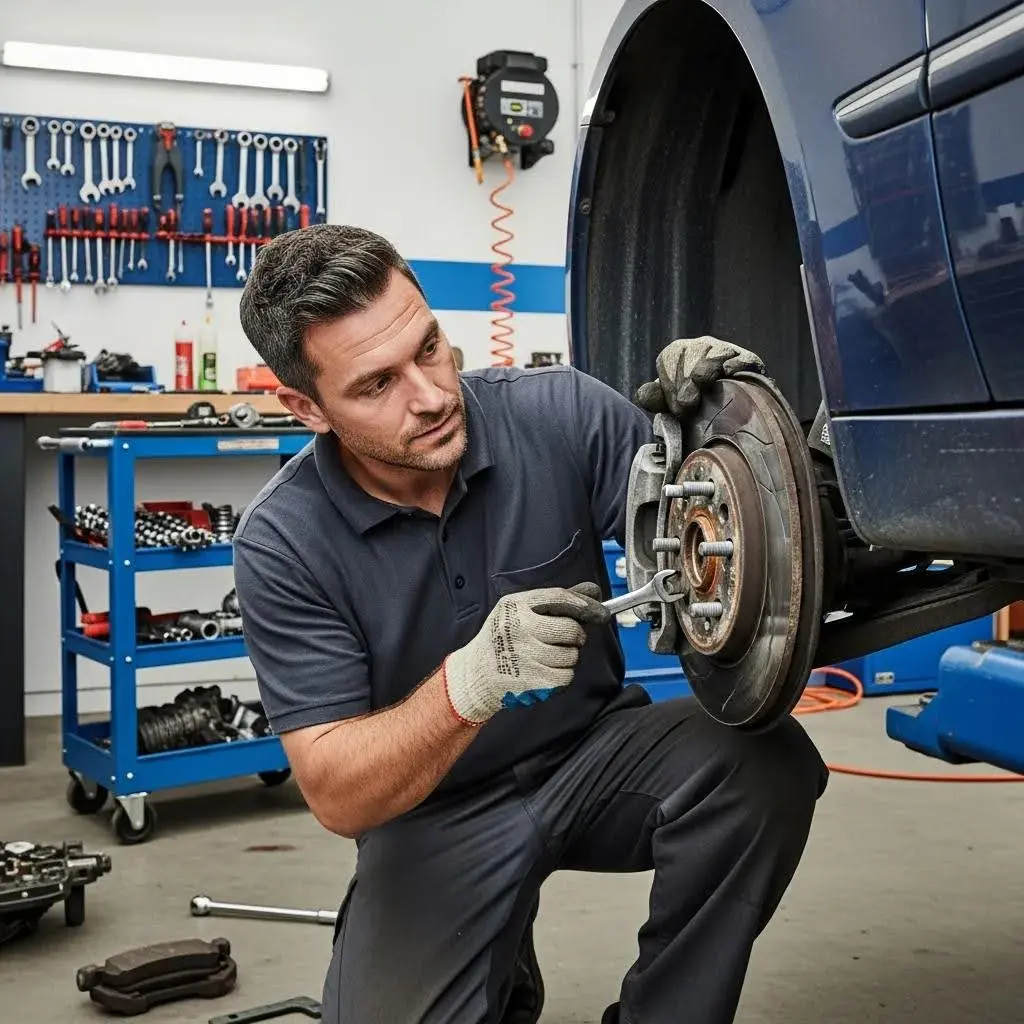
Squealing is a high, sharp noise you’ll hear when first applying the brakes or slowing down. It usually points to worn pads, glazed friction material, or the metal wear indicator touching the disc.
Thin or glazed pads can vibrate against the rotor and create that shrill sound, an early warning to act before discs are damaged. Listen for intermittent or constant squeal during light braking and note when it happens.
Typical causes of squealing include:
- Worn brake pads: Pads close to their minimum thickness often make a high-pitched noise.
- Pad wear indicators touching the disc: Metal tabs designed to warn you when pads need replacing.
- Glazed or contaminated pads: Overheating or oil contamination can leave pads noisy and less effective.
These problems are often easy to check visually by noting when the noise occurs. If the squeal continues or you notice reduced braking, book a professional inspection. Ivydene Garage Ltd offers Bosch Car Service–standard brake checks and can advise whether pads should be replaced or discs resurfaced.
Squealing Brakes and Brake Pads
Most often, squealing means the pad material is low, or the wear indicator is making contact. Pads at around 3 mm or less should be inspected for replacement to meet safety and MOT expectations. Glazed pads from overheating will usually keep squealing until they’re replaced or deglazed.
You can sometimes see extreme wear through the wheel spokes, but an accurate check needs the car lifted and the pads measured by a technician. Replacing worn pads restores correct friction and helps protect the discs.
What Grinding When Braking Means and Why It’s Urgent
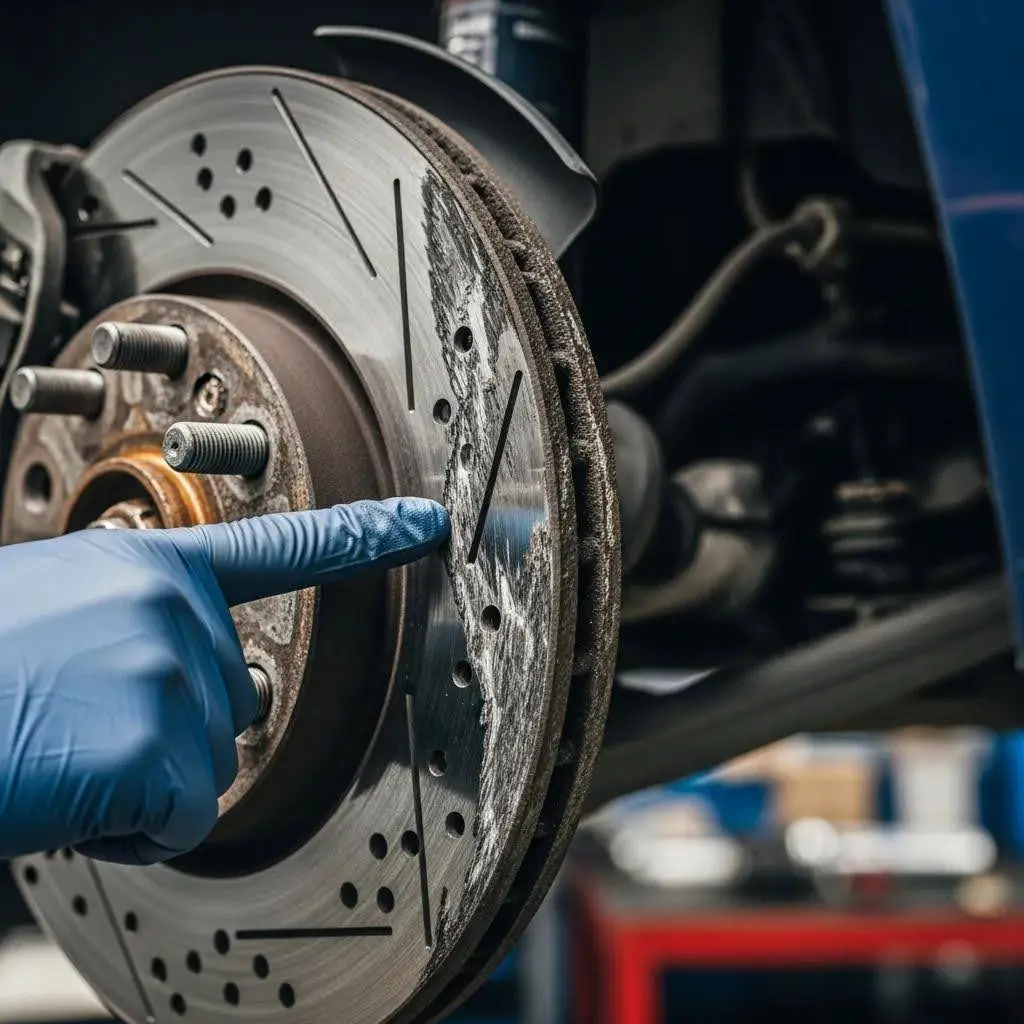
Grinding is a low, harsh metallic scrape that usually means the pad’s friction material is gone and the backing plate is contacting the rotor metal-on-metal.
This causes rapid rotor scoring, lengthened stopping distances, and can damage calipers and sensors. Because grinding quickly worsens rotor condition, it requires urgent inspection and most likely replacement of pads and discs to restore safe braking.
The following table summarises the causes and the level of urgency:
| Component | Condition | Safety/Recommended Action |
|---|---|---|
| Brake pad | Worn to the backing plate (metal-on-metal) | Replace pads immediately; inspect discs |
| Brake disc (rotor) | Scored or deeply grooved | Resurface if minor, replace if deep |
| Urgency | High | Stop driving if severe; seek an urgent workshop inspection |
Grinding shows how fast pad wear can damage the rotor. Contact a trusted Bosch Car Service like Ivydene Garage Ltd for an urgent check and repair when you hear this sound.
How Grinding Damages Discs and Affects Safety
When metal contacts metal, it cuts grooves into the disc, reducing contact area and increasing stopping distances. Continued abrasion can create hot spots and uneven thickness, causing rotor warping, pedal pulsation, and possible ABS faults.
Light scoring can sometimes be corrected by machining, but deep grooves or heat damage usually mean disc replacement. A prompt professional repair limits further parts damage and restores consistent braking.
Why Your Car Might Vibrate When Braking and What to Look For
Brake vibration, often called judder or pulsation, is a rhythmic shake felt through the steering wheel or brake pedal. It’s commonly caused by an uneven rotor surface, sticking calipers, or uneven pad transfer.
A warped or uneven disc changes the brake torque as the pad passes a high or low spot, producing a pulsation at certain speeds or braking loads. Noting whether the vibration is in the steering wheel (usually front) or the pedal (often rear or systemic) helps pinpoint the issue.
- Steering wheel vibration under braking: Usually indicates warped or uneven front discs.
- Pedal pulsation or thump: Often points to disc thickness variation or runout.
- Consistent judder at speed: May indicate a sticking caliper or uneven pad deposition.
Diagnosing vibration requires measurements of disc runout and a check of caliper slide function; a workshop can separate tyre or suspension causes from brake-related judder. The table below links common symptoms to likely components and initial diagnostics.
| Symptom | Likely Component | Diagnostic Action |
|---|---|---|
| Steering wheel shake | Warped front disc | Measure runout; resurface or replace |
| Pedal pulsation | Disc thickness variation | Check disc thickness; replace if beyond limit |
| Intermittent judder | Sticking caliper or uneven pads | Inspect caliper slides and pad contact |
Causes of Disc and Caliper Vibration
Disc runout, a small lateral wobble, changes the clearance between the pad and disc and shows up as pedal or steering vibration. A sticking caliper or uneven pad transfer causes one pad to apply pressure inconsistently, producing judder that can be mistaken for tyre or suspension faults without the right checks.
Technicians measure runout, assess thickness variation, and inspect caliper pins and pistons to decide whether machining, replacement, or a caliper overhaul is needed. Fixing the root cause returns even braking force and prevents accelerated wear.
What Makes a Brake Pedal Feel Soft or Spongy?
A soft or spongy pedal feels low and compressible because hydraulic pressure is reduced, often due to air in the lines, low or contaminated brake fluid, an external leak, or a failing master cylinder. Brake systems rely on incompressible fluid; air or degraded fluid lets the pedal compress and reduces braking effectiveness.
Quick checks include looking at the fluid level and spotting wet areas under the car, and noting if the pedal sinks slowly when held under pressure. If the pedal is badly compromised, avoid driving and get a professional hydraulic check.
Simple troubleshooting steps:
- Check fluid level: Low fluid can indicate leaks or heavy pad wear.
- Look for visible leaks: Damp patches or fluid drips under the vehicle indicate a problem.
- Don’t drive with a very soft pedal: Have the hydraulic system inspected by a workshop.
Treating pedal sponginess normally means bleeding the system to remove air and replacing old or contaminated fluid. The table below outlines common hydraulic issues and recommended actions.
| Component | Attribute | Recommended Action |
|---|---|---|
| Brake fluid | Low or contaminated | Top up and perform a full fluid change and bleed |
| Hydraulic lines | Air present | Full system bleed to remove air pockets |
| Master cylinder | Internal fault | Professional inspection and possible replacement |
How Old or Contaminated Fluid Affects Pedal Feel
Brake fluid absorbs moisture over time, lowering its boiling point and hydraulic performance. Moisture and contamination can cause vapour or compressibility under heavy braking, producing a spongy pedal, reduced stopping power, and increased corrosion inside calipers and ABS units.
Most manufacturers and technicians recommend changing and bleeding the fluid about every two years. Regular fluid service with a qualified Bosch Car Service centre helps keep the system reliable.
Next steps: Check for noise, vibration, or a soft pedal. If braking feels significantly reduced, avoid driving and arrange an inspection. Ivydene Garage Ltd in Ashford, Kent provides MOTs, full brake inspections, pad and disc replacement, and brake fluid changes. Contact us for a quote or to book a service.
Frequently Asked Questions
How Often Should I Have My Brakes Inspected?
We recommend a brake check at least once a year or every 12,000 miles, whichever comes first. If you notice squeaks, grinding, vibration, or a soft pedal, get them checked straight away. Drivers who do a lot of stop-start town driving or live in hilly areas may need checks more often.
What Should I Do If My Brakes Start Making Noise?
If you hear squealing or grinding, don’t ignore it. A light squeal can often wait for a booked inspection, but grinding is urgent and can mean metal-on-metal contact. If the noise is severe, have the car inspected as soon as possible to avoid further damage.
Can I Replace Brake Pads Myself, or Should I Hire a Professional?
If you’re confident with basic mechanical work and have the right tools, pad replacement can be a DIY job. However, brakes are critical to safety. A professional can ensure correct fitting, check discs and calipers, and spot any hidden issues. When in doubt, let a trained technician handle it.
What Are The Signs That I Need To Replace My Brake Discs?
Replace discs if you see deep grooves or scoring, feel a pulsating pedal under braking, or hear grinding that indicates metal contact. A workshop can measure disc thickness and runout and advise whether resurfacing or replacement is needed.