
Maintaining your vehicle’s brake system is crucial for ensuring safety and performance on the road. Today, this guide provides an in-depth look at brake components, their maintenance, and the associated costs in Ashford.
Readers will learn about the importance of regular brake fluid changes, signs indicating brake pad replacement, and when to service or replace brake discs. Understanding these aspects can help prevent costly repairs and enhance vehicle safety.
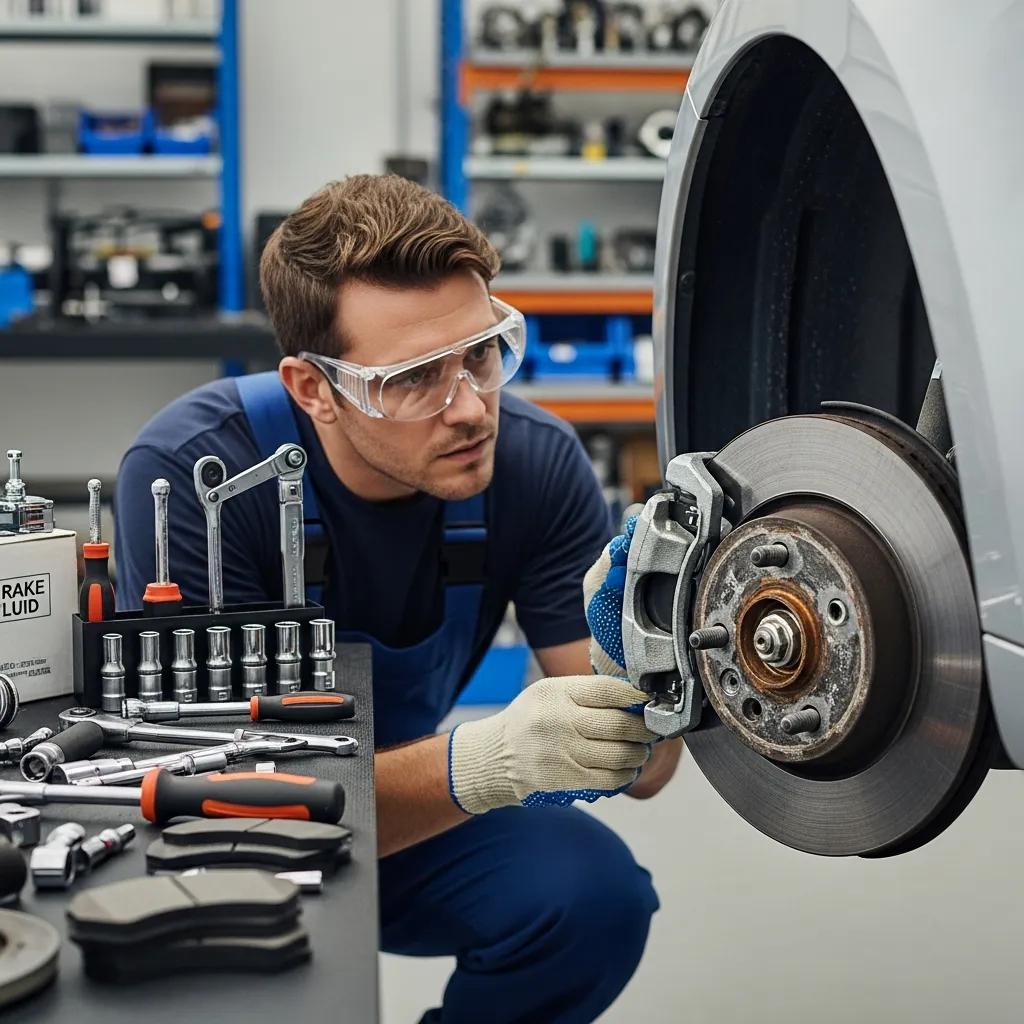
This article will cover essential topics, including how often to change brake fluid, signs of brake pad wear, and what a comprehensive brake system inspection entails.
How Often Should You Change Your Brake Fluid in Ashford?
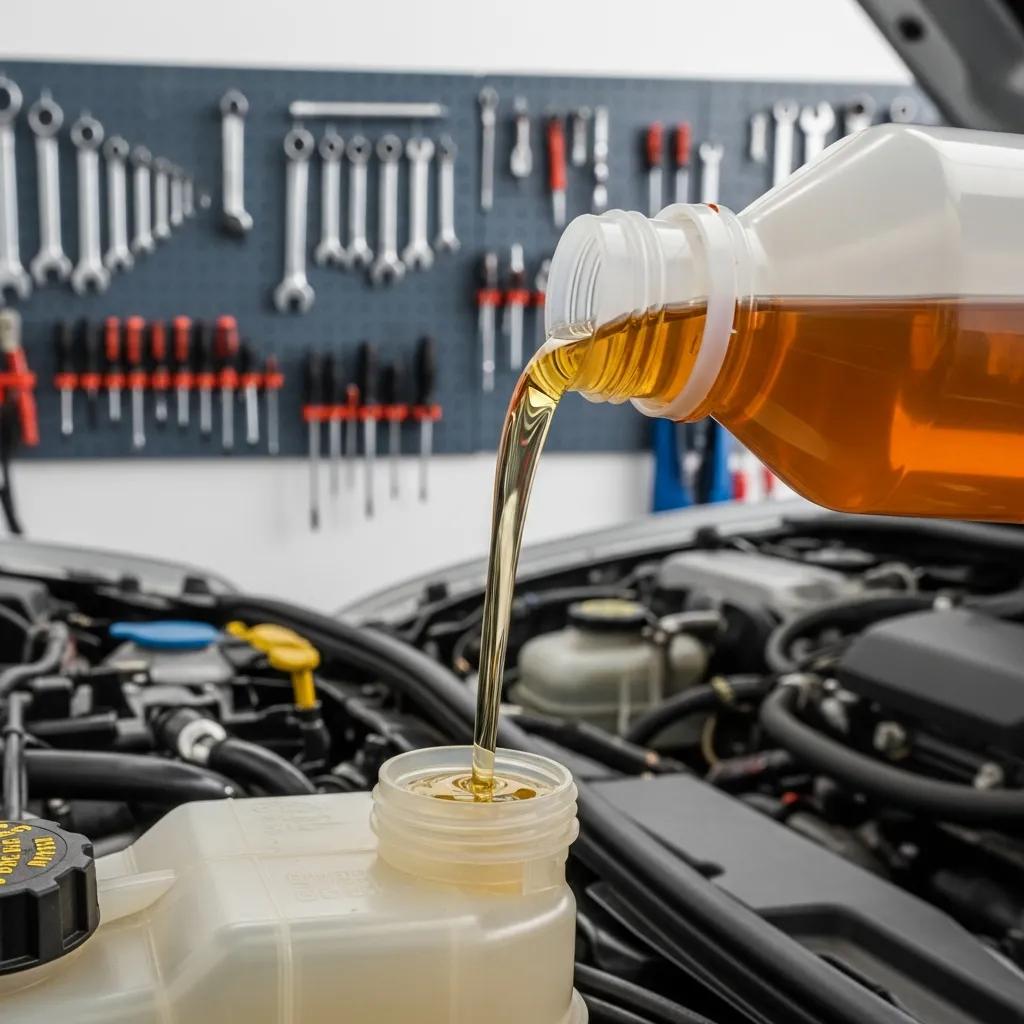
Changing brake fluid is essential for maintaining the hydraulic efficiency of your braking system. It is generally recommended to change your brake fluid every 24 months (every 2 years), but always follow your vehicle manufacturer’s service schedule.
However, if you frequently drive in heavy traffic or engage in high-performance driving, more frequent changes may be necessary. Always refer to your vehicle manufacturer’s guidelines for specific recommendations.
Types of Brake Fluid Used in Vehicles
There are several types of brake fluid used in vehicles, classified primarily by their DOT ratings. The most common types include:
- DOT 3: A glycol-based fluid suitable for most vehicles, offering good performance at moderate temperatures.
- DOT 4: This fluid has a higher boiling point than DOT 3, making it ideal for vehicles that experience higher temperatures.
- DOT 5.1: A glycol-based fluid with a higher boiling point than DOT 4, providing excellent performance in extreme conditions.
- DOT 5: A silicone-based fluid that is not compatible with other types and is typically used in classic cars.
Using the correct type of brake fluid is crucial for safety and performance.
Importance of Regular Brake Fluid Replacement for Safety
Regular brake fluid replacement is vital for several safety reasons:
- Maintains Hydraulic Efficiency: Old or contaminated fluid can lead to reduced braking performance.
- Prevents Corrosion: Fresh brake fluid helps protect the internal components of the braking system from rust and corrosion.
- Ensures Consistent Performance: Regular changes help maintain the responsiveness of the brake system, which is critical for safe driving.
What Are the Signs That Indicate You Need Brake Pad Replacement?
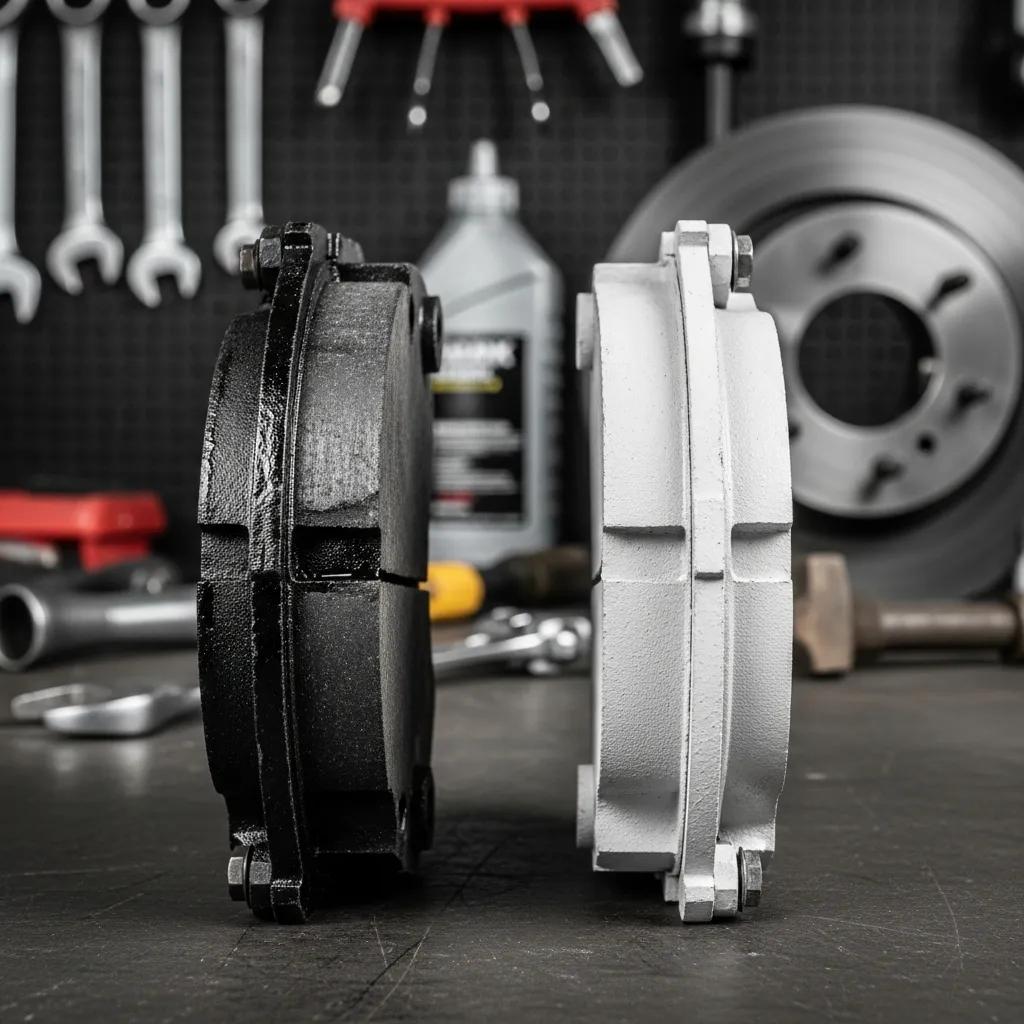
Identifying the signs of brake pad wear is essential for maintaining vehicle safety. Here are some common indicators that you may need to replace your brake pads:
- Squealing or Grinding Noises: These sounds often indicate that the brake pads are worn down and need replacement.
- Longer Stopping Distances: If you notice that your vehicle takes longer to stop, it may be time to check your brake pads.
- Dashboard Warning Lights: Many modern vehicles have sensors that alert you when brake pads are worn.
For residents in Ashford, Ivydene Garage Ltd offers brake pad and brake disc replacement as part of its brake repair and replacement service.
Identifying Brake Pad Wear and Noise Symptoms
To effectively identify brake pad wear, pay attention to the following symptoms:
- Strange Noises: Listen for any unusual sounds when braking, such as squeaking or grinding, which can indicate that the pads are worn.
- Performance Shifts: Notice any changes in how your vehicle responds when you apply the brakes, as this can signal issues with the pads.
- Visual Indicators: Inspect the brake pads through the wheel spokes. If they appear thin (around 3mm) or uneven, book a brake check.
Typical Brake Pad Replacement Costs in Ashford
The cost of brake pad replacement in Ashford can range from £90 to £165 for one axle (two wheels). This price can vary based on the type of vehicle and any additional repairs that may be necessary. It’s advisable to consult with a local service provider for an accurate estimate.
When and How Should Brake Discs Be Serviced or Resurfaced?
Brake discs should be serviced or resurfaced where appropriate when they show signs of wear or damage. Regular maintenance is essential to ensure they function correctly and safely. Key indicators for servicing include:
- Assessment of Rotor Condition: Regular checks can help identify any warping or uneven wear.
- Signs for Resurfacing or Replacement: If the discs are below the minimum thickness specified by the manufacturer or have significant scoring, they may need resurfacing or replacement.
- Regular Maintenance: Keeping up with routine inspections can prevent more severe issues down the line.
Brake Disc Thickness Safety Standards
Brake discs must maintain the manufacturer-specified minimum thickness to ensure effective braking. This minimum thickness varies by vehicle make and model, but is typically stamped on the disc itself or specified in the vehicle manual.
Regular inspections should be conducted to measure disc thickness and ensure compliance with these standards. Adhering to these guidelines is crucial for maintaining vehicle safety.
How Resurfacing Extends Brake Disc Life
Resurfacing brake discs can help extend their lifespan when the discs remain within the manufacturer’s limits by:
- Removing Uneven Surfaces: This process smooths out any imperfections, allowing for better contact with the brake pads.
- Extending Lifespan: Proper resurfacing can delay the need for complete disc replacement.
- Improving Braking Performance: A smooth surface enhances the overall effectiveness of the braking system.
What Does a Comprehensive Brake System Inspection Include in Ashford?
A comprehensive brake system inspection is vital for ensuring the safety and performance of your vehicle. This inspection may include:
- Inspection of Various Brake Components: Technicians will check brake pads, discs, calipers, and fluid levels.
- Flush and Replacement of Contaminated Brake Fluid: Old fluid can compromise braking efficiency, so it is only replaced when needed or as part of scheduled servicing.
- Diagnostic Checks and Road Tests: These tests help identify any underlying issues that may not be visible during a visual inspection.
Brake Components Checked During Inspection
During a brake system inspection, the following components are typically checked:
- Brake Pads and Discs: To assess wear and performance.
- Brake Calipers and Fluid Reservoir: To ensure proper function and fluid levels.
- Overall Condition of Visible Components: A thorough check of all accessible parts to identify any potential issues.
How Regular Inspection Improves Performance and Safety
Regular brake inspections offer several benefits:
- Early Detection of Issues: Identifying problems early can prevent costly repairs and enhance safety.
- Improved Fuel Efficiency: A well-maintained brake system can help avoid drag from sticking brakes, which may affect fuel economy.
- Enhanced Overall Performance: Regular checks help your vehicle brake smoothly and consistently, providing peace of mind while driving.
| Component | Inspection Focus | Importance |
|---|---|---|
| Brake Pads | Wear and thickness | Critical for stopping power |
| Brake Discs | Surface condition and thickness | Essential for effective braking |
| Brake Fluid | Contamination levels and moisture content | Vital for hydraulic efficiency |
Ivydene Garage Ltd: Brake Services in Ashford
Ivydene Garage Ltd is a family-run car garage in Ashford, Kent. It offers brake repair and replacement for many makes and models. With experienced technicians and up-to-date diagnostic equipment, Ivydene Garage Ltd can carry out brake checks, brake fluid changes, and brake pad and disc replacement.
For brake maintenance in Ashford, you can book a brake inspection and get advice on any repairs needed. Whether you need routine brake fluid replacement or brake pad servicing, Ivydene Garage Ltd can help keep your brakes working safely and predictably.
To book a brake service, contact Ivydene Garage Ltd by phone or use the online booking option on the website.
Frequently Asked Questions
What Are The Common Causes Of Brake System Failure?
Brake system failure can occur due to several factors, including worn brake pads, contaminated brake fluid, or damaged brake discs. Additionally, issues such as air in the brake lines, leaks in the hydraulic system, or malfunctioning brake calipers can contribute to reduced braking efficiency.
Regular maintenance and inspections are crucial to identify these problems early and ensure the braking system operates safely and effectively.
How Can I Tell If My Brake Fluid Is Contaminated?
Contaminated brake fluid can be identified through a few signs. If the fluid appears dark or murky instead of the typical clear or light amber color, it may be contaminated.
Additionally, if you notice a spongy brake pedal or a decrease in braking performance, these could indicate fluid issues. Regular checks and changes of brake fluid, as recommended, can help prevent contamination and maintain system integrity.
What Should I Do If My Brake Warning Light Comes On?
If your brake warning light illuminates, it’s essential to take immediate action. This light can indicate various issues, such as low brake fluid levels, worn brake pads, or a malfunctioning brake system.
Safely pull over and inspect the brake fluid level. If it’s low, top it up with the correct brake fluid and arrange a check for leaks. If the light remains on or if you experience any unusual braking behavior, consult a professional mechanic as soon as possible.
How Often Should I Have My Brakes Inspected?
It is generally recommended to have your brakes inspected at least once a year or at each service, whichever comes first.
However, if you frequently drive in heavy traffic, tow heavy loads, or notice any signs of brake wear, more frequent inspections may be necessary. Regular checks help ensure that all components are functioning correctly and can prevent costly repairs down the line.